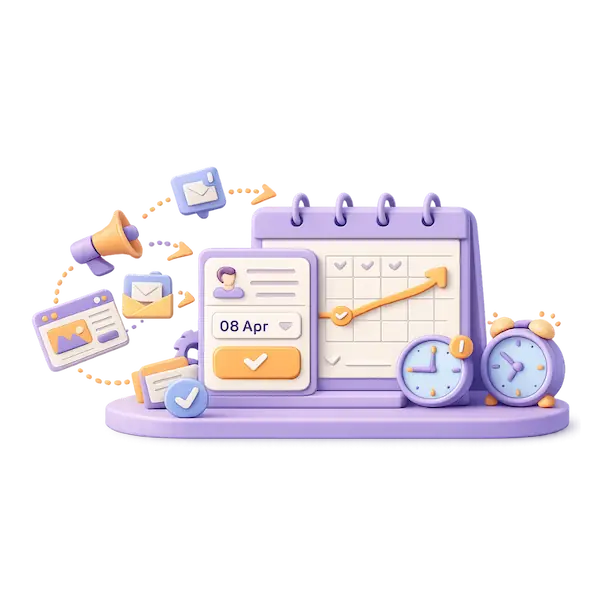
Leads are slipping through your fingers every day, not because they’re uninterested, but because no one’s catching them. That message in Messenger? The form submission at 2 AM? The comment asking “How much for a quote?” They vanish into the noise. You don’t have a lead quality problem. You have a follow-up system problem. Without a way to track and respond, even hot leads go cold in hours. It’s not about working harder. It’s about setting up a simple, reliable process so nothing falls through. A lead capture and CRM system isn’t overkill. It’s the baseline for growth. Let’s fix the leaks first. Book Your Strategy Call.
Key Takeaways:
- You’re not losing bad leads. You’re losing good ones because they slip through the cracks. That message in your inbox from yesterday? It’s already cooling off.
- Most businesses don’t fail at lead generation. They fail at follow-through. A lead from a web form, a Messenger chat, or a comment doesn’t vanish because it’s low quality. It vanishes because no one owns it.
- A simple lead capture and CRM system doesn’t just organize names. It turns chaos into consistency. Think: no more digging through chats, guessing who replied when, or wondering if you already sent that quote. You can actually stop relying on memory and start relying on a process.
That’s the real fix. Not more traffic. Not flashier ads. A system that makes sure every “maybe” gets a chance to become a “yes.”
And the best part? It doesn’t have to be complicated.
You already have the leads. You just need a way to keep up with them.
Set up a lead capture and CRM system that works with how you actually run your business, not against it.
Book Your Strategy Call
Why we keep blaming the leads when it’s usually us
It’s easier to call a lead “bad” than admit we dropped the ball. You saw the message pop up in Messenger, meant to reply, and got pulled into something else. Hours passed. Then a day. That lead wasn’t cold. They were just left hanging. Most leads don’t go cold on their own. They’re neglected into silence.
The “bad lead” excuse we all love to use
You chalk it up to poor quality: wrong audience, not serious, just browsing. But how many of those “bad” leads actually asked a specific question or filled out a form with real intent? Calling them “bad” lets you off the hook when the real issue is no system to respond in time.
Why I think we’re just scared of the actual process
Setting up follow-up feels like work: another tool, more steps, extra hassle. So you delay it, hoping memory or spreadsheets will hold things together. Spoiler: they won’t. The fear isn’t about leads. It’s about facing the mess and finally fixing it.
Facing that clutter head-on means admitting your current method doesn’t scale. A mid-sized SaaS firm might handle 50 inquiries a week across platforms. Great on the surface. But if responses are delayed or duplicated, or worse, missed entirely, that volume becomes a liability. It’s not that the leads aren’t good. It’s that your process lets them slip through cracks you can’t even see.
The real difference between a cold lead and a lost one
A cold lead hasn’t engaged yet. That’s fine. A lost lead? They reached out, showed interest, and heard nothing back. That’s not bad luck. That’s a broken follow-up system leaving money on the table.
That silence after someone messages you? That’s not them losing interest. It’s your process failing them. You might’ve seen the notification, thought you’d reply “in a minute,” and then never circled back. Meanwhile, their need was urgent. Their window to decide? Narrow. With no lead capture and CRM system in place, even hot leads vanish, not because they weren’t ready, but because you weren’t. Book Your Strategy Call
Where leads actually go missing (it’s rarely the pitch)
You’re not losing leads because your offer stinks. You’re losing them because no one’s actually following up. That initial spark of interest? It fades fast when buried under a dozen tabs and a flooded inbox. The real issue isn’t your product, your pricing, or even your messaging. It’s the silence that comes after “Hey, I’m interested.” And that silence is costing you deals without you even realizing it.
The black hole of the initial inquiry
That message from a prospect on Facebook Messenger? The one that came in while you were on a call? It’s already gone. Not deleted, just ignored, unlogged, unassigned. No system means no accountability. And without that first response within the hour, most of the momentum is already lost.
Why your inbox is where dreams go to die
Your email isn’t a task manager. Yet you keep treating it like one: starring messages, leaving tabs open, promising yourself you’ll “get to it.” But those unread threads? They’re not just unread. They’re unanswered opportunities stacking up like unpaid invoices.
Think about the last time someone reached out through your website form. Did you reply the same day? Did you even know it came in? If it landed in your general inbox or got forwarded twice, the odds are slim. Most of those messages get caught in the shuffle, marked as “read” but never truly seen. A single missed follow-up can kill interest before you even get to know what they really wanted. That’s not bad luck. That’s an unmanaged process.
Losing the thread between the first hello and the proposal
You had the conversation. You even took notes. But now you can’t find the file, the email got buried, or you’re waiting on a colleague who hasn’t responded. That gap between interest and action is where trust erodes. Leads don’t ghost you. They fade out from lack of contact.
It’s not about being busy. It’s about having nowhere to put that conversation so it moves forward automatically. One team member quits, one spreadsheet gets outdated, one chat window closes, and suddenly, you’ve lost the whole story. The client has to start over. And they won’t. A proper lead capture and CRM system keeps every detail in one place, so nothing slips and no one has to ask, “Wait, where did we leave off?”
Why ‘I’ll follow up later’ rarely happens in practice
You tell yourself you’ll circle back after lunch. But then a Messenger alert pops up, then a form submission, then three spreadsheet tabs open at once. That lead from this morning? Already buried. Intentions don’t stand a chance when chaos is the default system.
The lie we tell ourselves every Monday morning
“This week, I’ll stay on top of things.” Sound familiar? You start strong, but by Tuesday afternoon, new messages flood in and old ones slip through. Good intentions fade fast when there’s no real structure holding them up.
How “later” turns into “never” before you know it
A lead messages you at 10 a.m. You flag it mentally. By 3 p.m., five other inquiries arrive across channels. That first one? Forgotten. Hours matter, and silence kills momentum faster than a weak pitch ever could.
It’s not about being disorganized on purpose. It’s that your workflow isn’t built to handle volume across Messenger, email, and forms all at once. One inquiry feels manageable. Ten feel overwhelming. Without a central place to track and act, “later” becomes “when I have time,” which becomes never. A mid-sized SaaS firm we spoke with lost 60% of their warm leads this way, not because the leads weren’t interested, but because no one followed up at all.
My take on why our brains just can’t handle manual lists
Thinking you’ll remember who to contact is like trusting a sticky note to run your business. Your brain wasn’t built to juggle follow-ups across multiple apps and days. Something will slip, and it usually does.
Every time you rely on memory or a messy spreadsheet, you’re adding friction to a process that needs speed. Context-switching between platforms drains focus. Missed notifications go unnoticed. Follow-ups get delayed, not by choice, but by design. A proper lead capture and CRM system removes the guesswork, automatically pulling inquiries into one place so nothing falls through. Book Your Strategy Call to see how it works.
Seriously, your memory isn’t as good as you think it is
You’re juggling messages from Facebook, form submissions, and notes scribbled during calls, and somehow expecting your brain to track who needs a reply. It’s not laziness. It’s biology. Your working memory can’t reliably hold more than a few items at once, especially under pressure. And when a hot lead slips through because you “meant to get back to them,” it’s not a character flaw. It’s a system failure.
The mental load of trying to remember everyone at once
Every unanswered message adds a tiny weight to your mental backpack. You’re not just forgetting names or details. You’re burning energy just trying not to forget. That constant background hum of “did I reply to that?” drains focus from actual selling. And the more channels you use, the heavier it gets, until something’s guaranteed to fall.
Why relying on sticky notes is a recipe for disaster
A note stuck to your monitor might feel like a plan, until it’s buried under coffee cups or left behind on a monitor when you switch desks. Physical notes don’t sync, alert, or remind. They’re static in a world that moves fast. One misplaced sheet and a real opportunity vanishes, not with a bang, but with silence.
Think about it: where is that sticky note with “Call Sarah re: demo” now? Was it on your old laptop? In a notebook that got left in your bag? Even if you meant to act, the note didn’t follow you. And Sarah? She waited a day, then messaged a competitor. No drama. No warning. Just a lead lost because your system was paper-thin. Literally.
Honestly, you’re forgetting the best opportunities right now
Right this second, there’s probably a lead sitting in your Messenger inbox from someone who asked a detailed question, the kind that signals real interest. You told yourself you’d reply after lunch. Now it’s been three days. That silence isn’t just awkward. It’s expensive.
That lead who asked about pricing last Tuesday? They were ready to talk. Maybe even buy. But you had five other chats, a spreadsheet to update, and a meeting that ran late. Now they’ve gone quiet, not because they weren’t interested, but because your system let them slip. And the worst part? You don’t even know how many times this has already happened this week.
What a lead capture + CRM system replaces (chats, sheets, memory)
You’re not losing leads because they’re unqualified. You’re losing them because they’re invisible. That quick Messenger question? Buried. The form submission from last Tuesday? Forgotten. Relying on memory, scattered chats, and shared sheets guarantees follow-up fails. A real lead capture and CRM system pulls everything into one place so nothing slips, and you finally see who’s actually interested.
Saying goodbye to those messy Google Sheets forever
Manual spreadsheets don’t scale. They slow you down. Every new lead means scrolling through rows, guessing who was contacted, and hoping you don’t double-message or miss someone entirely. With a proper system, you’re not just organizing data, you’re building a reliable pipeline that grows with you.
Why digging through old DMs is costing you serious money
That “I’ll get back to them” mindset? It’s silently killing your conversions. A lead messages you on Instagram at 2 p.m. By 5 p.m., they’ve already bought from someone else. Interest fades fast, and if you can’t act immediately, you’re leaving revenue on the table.
Think about the last five people who asked about your service in a DM. Can you even recall all their names, let alone where they are in your process? Without a system, you’re not just disorganized, you’re invisible to the very people ready to say yes. That lag between inquiry and response? That’s where deals die.
Letting the software do the heavy lifting for once
You don’t need another task. You need fewer of them. Automating lead capture means no more logging info by hand or chasing down notifications. The system tags, sorts, and reminds you, so you can focus on selling, not sorting. That’s how follow-up becomes consistent without becoming exhausting.
Imagine every inquiry, whether it’s a website form, Facebook comment, or WhatsApp message, automatically logged with a timestamp, source, and contact history. No more hunting. No more guessing. You get a clear view of who’s hot, who’s warm, and who needs a nudge, all updated in real time. That’s what a real lead capture and CRM system delivers. Book Your Strategy Call to see how it works.
Signs your business has outgrown manual tracking
You’re still copying names from Messenger into spreadsheets, aren’t you? That’s fine, until it’s not. When new leads start slipping through because you’re juggling too many tabs, too many messages, too many “I’ll get to it” notes, you’re not failing at sales. You’re just using a system built for five leads a week on a business bringing in five a day. The tools haven’t failed. They’ve been outgrown.
When “busy work” starts eating your actual work time
Chasing down who said what, where, and when shouldn’t take longer than the actual follow-up. If you’re spending more time searching than selling, that’s not dedication. It’s a broken process. All that manual sorting? It’s not just inefficient. It’s costing you conversations.
That sinking feeling when a lead asks “did you get my email?”
You know the moment: your stomach drops because you’re not sure. Did it go to spam? Did you reply and forget to hit send? That uncertainty means you lack a central record. Not knowing isn’t forgetfulness. It’s a system failure.
It’s not about being disorganized. It’s about having responses buried in inboxes, Messenger threads, and half-filled Google Sheets. A lead follows up because they’re interested, and your silence, even if unintentional, kills momentum. One client lost a $3,000 project because a Messenger inquiry got lost in a weekend backlog. It wasn’t a bad lead. It was an invisible one.
Why scaling is impossible if you’re still doing it by hand
Manual tracking works, until one new client turns into ten. Then twenty. Then you’re missing replies not because you don’t care, but because you can’t see them. Growth exposes gaps, and handwritten notes won’t scale.
Imagine doubling your leads next month. Sounds great, unless every new inquiry means more chaos. Without a real system, more traffic just means more missed opportunities. A mid-sized SaaS firm we worked with was losing nearly 40% of inbound chats simply because no one owned the follow-up. They weren’t understaffed. They were unstructured. Setting up a proper lead capture and CRM system changed that overnight. Book Your Strategy Call to see how it could work for you.
Let’s talk about the speed to lead problem
You see that new message pop up on Messenger while you’re in the middle of something? That one you tell yourself you’ll get to after lunch? That delay is where deals start slipping away. It’s not about being perfect. It’s about showing up while the conversation is still warm.
Why waiting three days is basically ghosting your clients
Imagine reaching out to someone you’re genuinely interested in, and they reply a week later with “Hey, sorry I’ve been busy.” Feels off, right? That’s exactly what happens when you let lead messages sit. Three days isn’t a follow-up. It’s a cold read, and your prospect has already moved on.
The “first to respond” rule that actually works
It’s simple: the first person who replies with a real, human answer wins the next step. Not the fanciest pitch, but the fastest real reply. Speed builds momentum, and momentum beats perfection every time.
Think about a mid-sized SaaS firm getting 20 inquiries a week across forms and chat. Without a system, half get answered late, or not at all. But when they set up automated alerts and routing to the right team member, response times dropped from 58 hours to under 45 minutes. That’s not magic. That’s just structure. And that’s when conversions started climbing, not because the leads changed, but because the business finally showed up on time.
How to be fast without sounding like a total robot
You don’t need canned replies or chatbot jargon. Just a quick, real acknowledgment: “Got your message, thanks for reaching out. I’ll send over what you need by end of day.” That tiny human touch keeps trust high and response time low.
One client used to blast out auto-replies that sounded like they were written by a software manual. Then they switched to short, voice-note-style messages through their lead capture and CRM system: personal, fast, and unmistakably human. Response rates jumped not because the tech changed, but because the tone finally matched the business behind it. Speed doesn’t mean sacrificing warmth. It means delivering both at once. Book Your Strategy Call to see how it fits your workflow.
Building a system that doesn’t feel like a chore
You’re not lazy. You’re just using tools that make follow-up feel like homework. A system that fights your workflow won’t last past week two. The real win? When tracking leads becomes as automatic as checking your phone. It’s not about discipline. It’s about design. Make it easy, make it yours, and suddenly, nothing slips through.
Keeping it simple so you’ll actually use the thing
Complexity kills consistency. If your process needs a manual just to log a lead, you’ll skip it when busy, and that’s when the leaks start. One click to capture. One glance to know what’s next. That’s the bar. Simplicity isn’t lazy. It’s strategic. You’re more likely to stick with a system that doesn’t slow you down.
My favorite ways to automate the boring stuff
Let bots do the grunt work. Auto-save Messenger chats to your pipeline. Trigger follow-up emails the second a form comes in. Automate reminders, tagging, even time-zone-based follow-ups. You stay in the loop without lifting a finger. It’s not magic. It’s just smart setup.
Imagine this: someone messages you on Facebook at 9 p.m. tired, maybe even half-convinced to wait until “next week.” But your system already logged them, tagged them as “hot,” and sent a warm reply within minutes, with no effort on your part. That’s the power of automation. It’s not about replacing you; it’s about being there when you can’t be. Tools like automated SMS nudges or calendar booking links remove friction for both you and the lead. You’re not chasing. You’re simply showing up, consistently, without burning out.
Why your system needs to fit your personality, not a manual
Forcing yourself into a rigid, “by-the-book” CRM only works until the novelty wears off. If you hate typing, don’t pick a system that demands long notes. Your process should match how you actually work, not how someone else thinks you should. A system built for *you* lasts. One built for “best practices” collects dust.
Say you’re the kind of person who thinks in voice notes, not bullet points. Great. Use a CRM that lets you record quick updates instead of filling fields. Or maybe you thrive on visual cues. Then a Kanban-style board with color-coded stages will keep you engaged. The point? Friction isn’t just inefficiency. It’s misalignment. When your system feels natural, you stop avoiding it. That’s when follow-up stops being a chore and starts being second nature. And that’s how leads stop vanishing. If you’re tired of losing people because your process fights your rhythm, it might be time to build one that doesn’t. Check out our lead capture and CRM system, designed to adapt to real workflows, not the other way around. Book Your Strategy Call and let’s build something you’ll actually use.
The hidden cost of “dropping the ball”
You see the message come in: someone asking about your service, maybe even saying they’re ready to talk pricing. You tell yourself you’ll reply in five minutes. But then a meeting runs late, another client calls, and by the time you remember, it’s been 18 hours. That lead? Already gone. Not because they weren’t interested, but because they felt ignored.
It’s not just one sale, it’s the lifetime value you’re losing
That one missed reply doesn’t just cost you a single transaction. It cuts off every future purchase that customer might have made. You’re not losing a $500 deal. You’re losing $500 a year, for years. And that adds up fast when it happens more than once.
How bad follow-up hurts your reputation in the long run
People talk. Even if they don’t complain publicly, they remember. They remember the silence after hitting “send” on their inquiry. And when they need a referral later? They won’t think of you, or worse, they’ll warn others about your slow response.
Think about the last time you reached out to a business and never heard back. Did you assume they were busy? Or did you assume they didn’t care? Most people assume the latter. When your follow-up fails, your silence becomes a message, one that says you’re disorganized, indifferent, or already too overwhelmed to handle new clients. That perception sticks, even if it’s not true.
Calculating what you’re really leaving on the table every month
Let’s say you get 40 leads a month. You’re following up with half, and inconsistently. The other 20? Lost in tabs, chats, or your “I’ll do it later” list. If just 10 of those would’ve converted, you’re leaving thousands on the table every single month.
Imagine your leads as water in a leaky bucket. You’re pouring effort into filling it with ads, content, and outreach, but if the bottom isn’t sealed, it all drains. Most of those 20 missing leads didn’t vanish because they weren’t ready. They vanished because no one reached them in time. A simple, automated lead capture and CRM system could catch nearly all of them. You’re not failing at lead generation. You’re failing at follow-through, and that’s fixable. Set up a lead capture and CRM system that works while you sleep, and start turning visibility into revenue. Book Your Strategy Call to see how it fits your workflow, with no overhaul needed.
Why “ghosting” is usually just a lack of structure
You don’t lose leads because they’re uninterested. You lose them because there’s no system to keep them warm. A message sits unanswered in Messenger. A form submission gets buried under daily tasks. Hours pass. Then a day. Then it’s too late. The real issue isn’t disengagement. It’s disorganization. Without a clear process, even hot leads slip through the cracks, not because they ghosted you, but because you never really followed up at all.
They didn’t hate you, they just forgot you existed
That lead who vanished? They weren’t rejecting your offer. They just moved on, gently, quietly, without drama. Most “ghosting” isn’t personal. It’s passive. You didn’t annoy them. You just stopped showing up. And when your message gets lost in a chat tab or a cluttered inbox, silence isn’t a “no.” It’s just radio silence.
How to nudge people without being annoying or pushy
Timing and tone make all the difference. A simple, “Hey, saw your note about [specific interest]. Still exploring options?” feels human, not salesy. You’re not chasing. You’re reconnecting. It acknowledges their initial intent without pressure. That small recognition keeps you top of mind, not as a pest, but as someone who pays attention.
Think of it like checking in on a conversation you paused, not restarting one from scratch. Use what they’ve already told you, like a project they mentioned or a service they asked about, and build from there. Automate these touches through a lead capture and CRM system so they go out at the right time, without you remembering a thing. Consistency without clutter. Follow-up that feels natural, not forced.
The magic of the “checking in” email that actually converts
One sentence can reignite a stalled lead. “Still thinking about [their goal]?” Short, relevant, zero fluff. This isn’t a pitch. It’s a doorway. It gives them an easy way back in, and often, that’s all they need. The best part? It works because it assumes they’re still interested, and that confidence shows.
These emails win because they’re not broadcast blasts. They’re targeted, light, and timed to hit when the conversation is fading, not dead. Triggered by inactivity after initial contact, they reactivate curiosity without demanding a decision. Pair this with organized tracking, and suddenly, “ghosting” becomes rare. Because now, you’re not guessing who to contact. Your system tells you exactly who needs a gentle tap. Book Your Strategy Call to see how this works in real time.
Where to go from here
You’re already seeing the gaps: that message left on Facebook, the form submission from Tuesday, the spreadsheet row you keep meaning to circle back to. It’s not about working harder. It’s about having a place where nothing slips through. And that starts with treating follow-up like a system, not a habit.
Taking the first step toward getting organized today
Stop relying on mental notes or sticky tabs. Pick one channel, just one, where leads vanish most often, and commit to routing every inquiry there into a single, trackable space. That small shift breaks the cycle of reactive chasing. You don’t need perfect. You need consistent.
Picking the right tools for your specific business vibe
Your workflow shouldn’t feel like a corporate maze. If your team lives in quick chats and fast replies, a clunky enterprise CRM will just slow you down. Match the tool to how you actually communicate. A simple, responsive lead capture and CRM system can fit your rhythm, not force you into someone else’s.
Think about it: a boutique design studio doesn’t need the same setup as a high-volume coaching firm. One might thrive with lightweight automation and visual pipelines, while the other needs batch messaging and calendar syncing. The right system feels almost invisible. It just works with your existing flow. That’s why PH Digimark builds custom setups, because a tool that fights your style won’t get used. At all.
Setting up your first automated workflow in ten minutes
You don’t need a tech degree. Most modern systems let you set up a basic auto-response and task reminder in under ten minutes. That single step means no lead ever sits unanswered overnight. Start small: just capture, tag, and notify. Momentum builds from action, not perfection.
Imagine this: someone fills out your contact form at 9 PM. By 9:02, they get a friendly reply acknowledging their message, not a robotic “we’ll get back to you.” Meanwhile, your team gets a ping. No delays. No forgotten names. This isn’t magic. It’s just automation doing the heavy lifting so you can focus on the conversation. And yeah, it really can be set up before your next coffee break. Book Your Strategy Call to get started.
FAQ
Q: I’m getting messages through Facebook, Instagram, and my website form. Isn’t that enough? Why do I need a lead capture and CRM system?
You’re already getting attention, and that’s half the battle. But if those messages are sitting in separate inboxes, or worse, lost in a sea of read receipts and “I’ll reply later” mental notes, they might as well have never come in. One lead might message you at 9 PM on a Tuesday through Messenger. Another fills out your form at noon Wednesday. Without a system, there’s no way to know who’s who, what they asked, or whether they’ve been contacted. It’s not about getting more leads. It’s about not losing the ones you already have.
Q: I respond to everyone… eventually. Isn’t that good enough?
Eventually is the enemy of momentum. A lead asking about your service today isn’t just looking for info. They’re in a moment of interest. That moment fades. Fast. You don’t need to close them in five minutes, but you do need to acknowledge them. A simple “Got your message, I’ll send details by tomorrow” keeps the connection alive. Without that, they assume silence means disinterest, and they move on. Your intent doesn’t matter if the experience feels broken.
Q: Can’t I just keep using spreadsheets and notes on my phone?
Try it with three leads. It works fine. Now try it with 30. Then 50. Suddenly you’re scrolling through chat logs to remember who wanted pricing, who asked about timelines, and who already said no. Spreadsheets don’t notify you when someone messages again. They don’t sync across devices. They don’t remind you to follow up. And they definitely don’t pull a chat from Instagram and connect it to an email thread. At some point, the tool you chose to stay organized becomes the thing slowing you down.
Q: What’s the real cost if I just keep doing things the way I am?
It’s not just lost sales, though that adds up. It’s the time you waste chasing ghosts. You end up working harder to generate new leads because the old ones went cold. You pitch the same person twice without realizing it. You miss repeat interest because you didn’t see the pattern. And your team starts assuming the leads aren’t qualified, when really, they were just never seen. The cost isn’t one number. It’s a slow leak in your growth that never gets fixed because it’s invisible.
Q: How does a lead capture and CRM system actually help, and will it take forever to set up?
It pulls every inquiry from chat, forms, and social DMs into one place. No more checking five different apps. Each lead gets a profile. Every message, note, and follow-up lives there. You set reminders, tag priorities, and automate simple replies so nothing slips. And setup? It’s not weeks of configuration. For a mid-sized SaaS firm, we’ve had systems live in under 72 hours. You don’t need perfection on day one. You just need consistency.
Set up a lead capture and CRM system that works with how you actually run your business, not against it.
Book Your Strategy Call
To wrap up
You see it all the time: a message pops up in Messenger, someone fills out your form, and you think, “I’ll get to that in a bit.” Then the day spirals, and that lead? Gone cold. Not because they weren’t interested. Because no system caught them before they slipped away. Those aren’t bad leads. They’re unmanaged ones. You don’t need more leads. You need a way to actually keep up with the ones you already have. A simple lead capture and CRM system changes that. It pulls everything from chats, forms, and notes into one place so nothing falls through. Book Your Strategy Call.